A lot of the discourse around AI-generated art centers on an insistence that AI could never recreate the "human" touch — that there would always be a grain of the uncanny, or a sinister hollowness that pervades its creations no matter what. This argument has never resonated with me because truthfully, I have seen AI-generated art that I found beautiful or interesting.
Moreover, even if AI cannot yet replicate the human essence in its artwork, that ability is only a matter of time — the more we feed it our humanness, the better it will be at creating it. In fact, this truth is illustrated even in these artworks — the pieces from the Renaissance or Baroque era seem almost indistinguishable to a non-trained eye; meanwhile, it struggles to produce a believable piece of contemporary art because it simply has a dearth of information compared to the historical counterparts.
The concept of a subtle, intangible human essence in artwork is a compelling and poetic one, yet dubious in its application, especially as we still remain in this nascent stage of AI. So, if this artwork and content is totally indistinguishable to us, are we then okay with it rapidly permeating our digital world? What have we decided to be okay with? It's easy to condemn AI when we can spot the strange inconsistencies and abnormalities — but what comes next?

In 1647, René Descartes proposed the idea of an "evil deceiver," a powerful being that could alter his impressions of the world, writing how he could not distinguish between reality and falsehood if such a demon is fooling him.
In 1999, the film The Matrix built on this idea of authenticity, with a world where humans are unknowingly trapped in a simulated reality, never knowing truly what is real and what is generated.
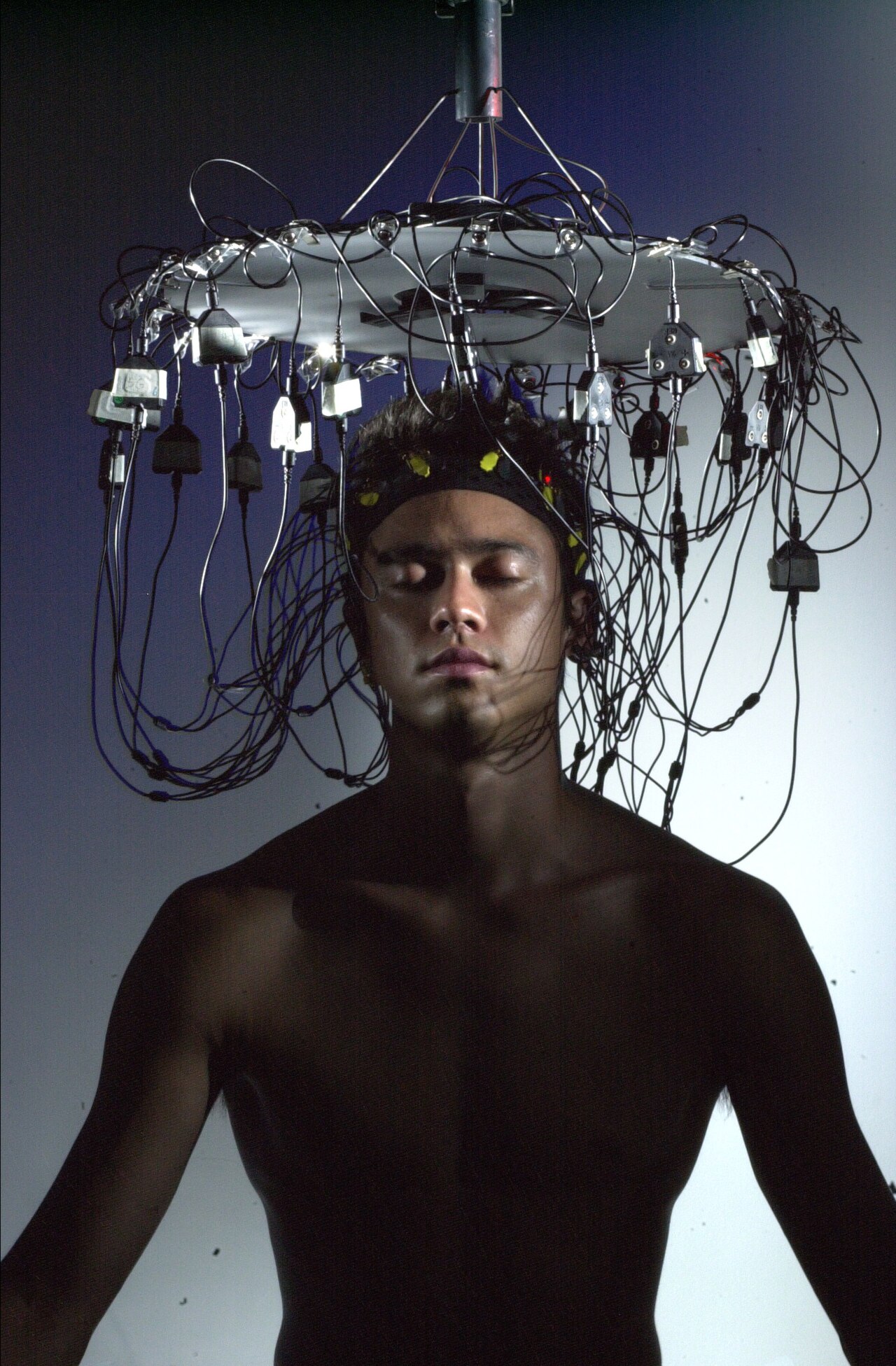
In 1974, philosopher Robert Nozick put forward a thought experiment called the Experience Machine — a machine that could stimulate a person's brain to induce pleasurable experiences that the person could not distinguish from those in real life. This thought experiment brings us to the crux of the question: would we choose to plug in? If these pleasures are truly indistinguishable, would we refer the machine or real life?
In 2016, a conspiracy theory called the Dead Internet Theory originated, postulating that much of the internet was composed of bot activity and generated content. With the spread of chatbots now giving the general public access to LLMs, this theory is more real than ever, with estimates of AI-generated content on the internet growing to increasingly larger numbers. We're now given the choice from the Experience Machine thought experiment, in real life. What will we decide?